London Mayor Pushes for Greater Energy Powers as Net Zero Deadline Comes Under Pressure

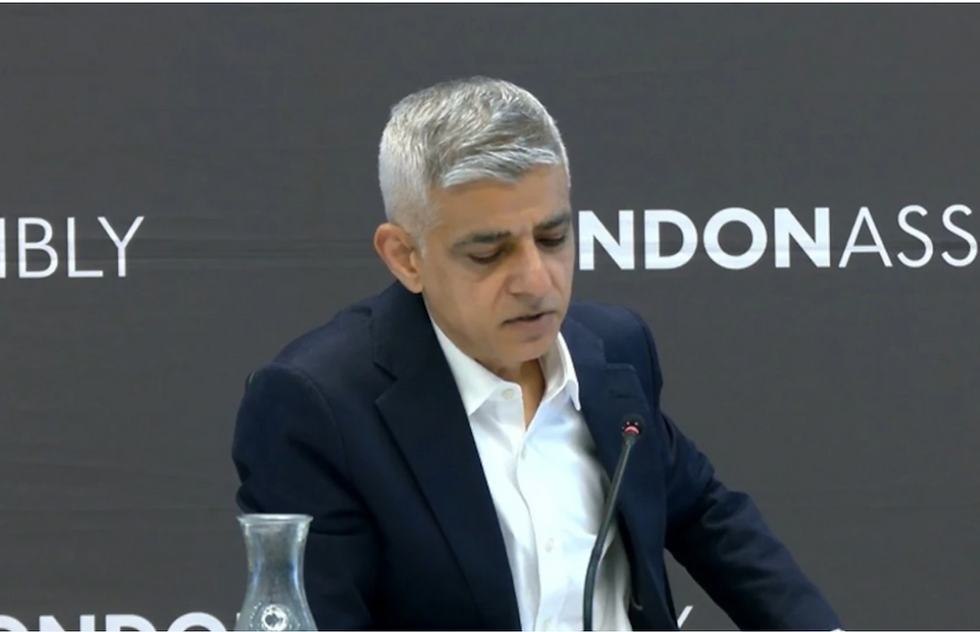
The Mayor of London has renewed calls for greater control over energy policy, warning that the capital is unlikely to achieve its ambitious 2030 net-zero target without further powers being devolved from central government.
Speaking during a recent session of Mayor’s Question Time, Sir Sadiq Khan acknowledged that while significant progress has been made in reducing emissions across London, key challenges remain outside City Hall’s direct control, particularly the decarbonisation of the national electricity grid.
The Mayor pointed to measures including the expansion of the Ultra Low Emission Zone (ULEZ), investment in cleaner public transport and the ongoing electrification of London's bus fleet as examples of the progress already achieved.
However, he said that despite these efforts, the wider city is not currently on track to reach net-zero carbon emissions by the end of the decade.
Sir Sadiq argued that greater devolution would allow London to take a more coordinated approach to climate action, particularly in areas such as energy infrastructure and building retrofit programmes.
He highlighted the fragmented nature of current funding arrangements, saying that investment is often spread across multiple government programmes, making it harder to deliver joined-up solutions.
While London secured its first integrated funding settlement under last year's government spending review, the agreement does not provide the Mayor with direct authority over the capital's energy network.
The Mayor said organisations within the Greater London Authority group, including Transport for London and the London Fire Brigade, remain on course to meet their own net-zero commitments by 2030, describing this as a significant achievement.
Green Party London Assembly Member Zack Polanski welcomed the Mayor's acknowledgement that the city faces a considerable challenge in meeting its target but argued that more urgency is required if London is to accelerate progress.
Polanski said investment in climate measures would deliver wider benefits, including lower energy bills, improved housing efficiency and better transport infrastructure.
Sir Sadiq said one of his priorities will be continuing efforts to improve the energy efficiency of London's building stock through large-scale retrofit programmes while helping residents reduce household energy costs.
The debate comes as UK Power Networks, the electricity distribution operator serving London and much of the South East, unveiled a new sustainability strategy designed to support the UK's transition to a net-zero energy system.
The company has partnered with the Carbon Trust to assess emissions across its operations and supply chain, with a series of targets set for delivery before 2028.
These include sourcing renewable electricity for its buildings, increasing the use of low-carbon construction materials, replacing suitable fleet vehicles with electric alternatives, improving waste recycling rates and introducing lower-carbon fuels into its generator fleet.
The strategy also includes plans to create wildlife habitats at 100 substation sites, improve the energy efficiency of offices through measures such as solar panels and LED lighting, and work more closely with suppliers to reduce emissions throughout the supply chain.
Mark Adolphus, UK Power Networks' Director of Health, Safety, Sustainability and Connections, said the company has a critical role to play in enabling the transition to a cleaner energy system while reducing the environmental impact of its own operations.
He said customers, regulators and stakeholders have consistently identified environmental performance as a priority, prompting the company to adopt ambitious but achievable targets to accelerate progress towards net zero.
The announcements underline the growing focus on the relationship between energy infrastructure and climate targets, as local and national leaders seek ways to accelerate decarbonisation while supporting economic growth and energy security.


Comments