MPs Press Sizewell C Over Cost Transparency as Construction Milestones Advance

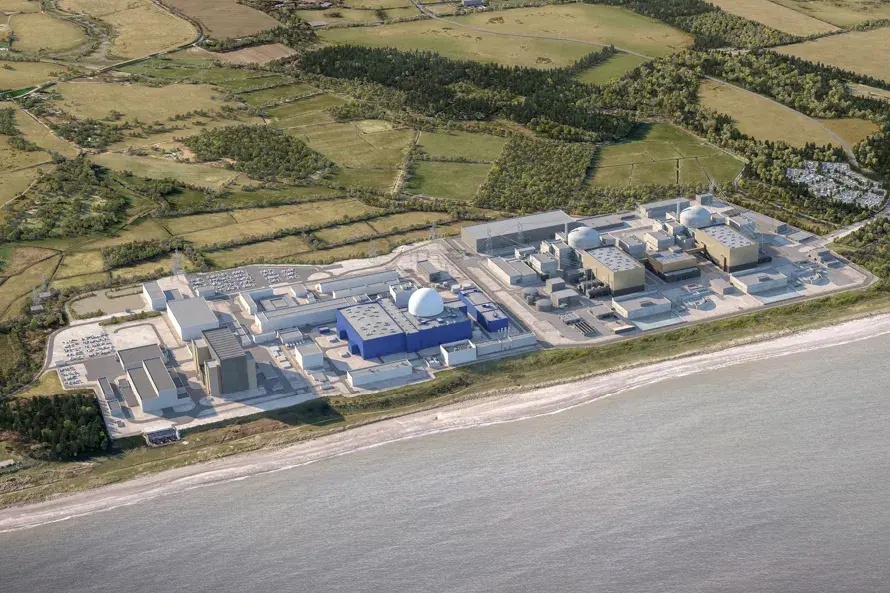
Senior figures behind the Sizewell C nuclear power project have faced questions from MPs over how potential cost overruns will be reported, while providing an update on progress across key infrastructure works supporting the £38bn development.
Representatives from Sizewell C and the Department for Energy Security and Net Zero appeared before the House of Commons Public Accounts Committee on June 16, where discussions focused on project delivery, governance and financial accountability.
During the session, Sizewell C chief executive Nigel Cann outlined the company's priorities ahead of what it refers to as “J-zero” – the stage at which foundations for the first reactor unit will be poured. The two-reactor facility is expected to generate 3.2GW of electricity, enough to power around six million homes.
Cann said the project team is focused on reducing construction risks by increasing the amount of equipment assembled and prepared off-site at its one-million-square-foot Orwell logistics facility. He added that greater use of modular construction techniques would help improve efficiency and productivity once major on-site works begin.
The project is also making progress on transport infrastructure designed to support construction activity. Cann told MPs that 11km of railway has now been connected to the site, with engineering trains already operating and plans to increase rail deliveries from two trains per day by the end of June to four daily services later this year.
Road improvements have also advanced, with major roundabout upgrades on the A12 completed at Yoxford and Friday Street. Cann said these works should provide noticeable improvements to local traffic conditions.
However, he acknowledged that progress on the proposed Sizewell Link Road and the Two Villages Bypass has fallen slightly behind schedule. He said the decision was made deliberately to allow more detailed design work and competitive tendering, with the aim of securing better value for money rather than rushing contracts to market.
Further progress has been made on major enabling works at the site. Cann highlighted the construction of a 1,600m-long, 50m-deep cut-off wall designed to create a sealed perimeter around the development area. Once completed, the structure will allow groundwater to be removed so that deep excavations for the power station can begin.
He also confirmed that piling works for the project's sea wall – considered a critical component of the construction programme – are expected to be completed by the end of June.
Elsewhere, Sizewell C is progressing plans for a shared electricity substation that would serve both the existing Sizewell B station and the new development, in partnership with National Grid.
Despite the construction update, MPs expressed concern over the level of public scrutiny surrounding the project's finances. Public Accounts Committee members questioned how Parliament and taxpayers would be informed if costs rise during the lengthy construction programme.
Great Yarmouth MP Rupert Lowe warned against the risk of significant cost increases emerging without regular public reporting, while committee chair Geoffrey Clifton-Brown argued that annual updates would be insufficient for a project of such scale.
Officials from both Sizewell C and the government explained that shareholders receive regular reports, but acknowledged that public disclosure of any cost overruns would currently be limited to annual reporting.
Clifton-Brown responded by suggesting more frequent reporting should be considered, noting that other major infrastructure projects had provided updates every six months. Government representatives agreed to review the request, with senior officials describing the committee's concerns as reasonable.
The exchange highlights growing scrutiny of one of the UK's largest infrastructure projects as construction activity accelerates and public investment in the scheme continues to increase.


Comments